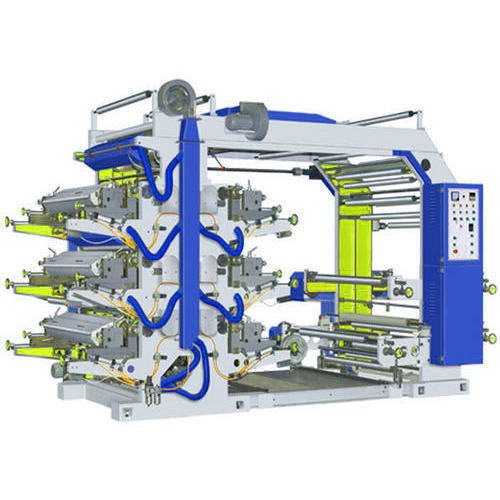
About Eight Colour Flexographic Printing Machine
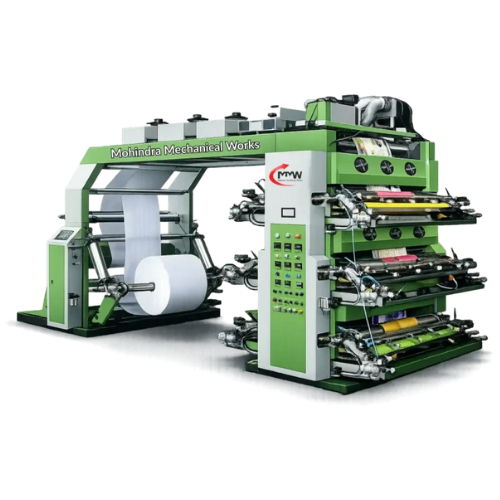
Eight Colour Flexographic Printing Machine
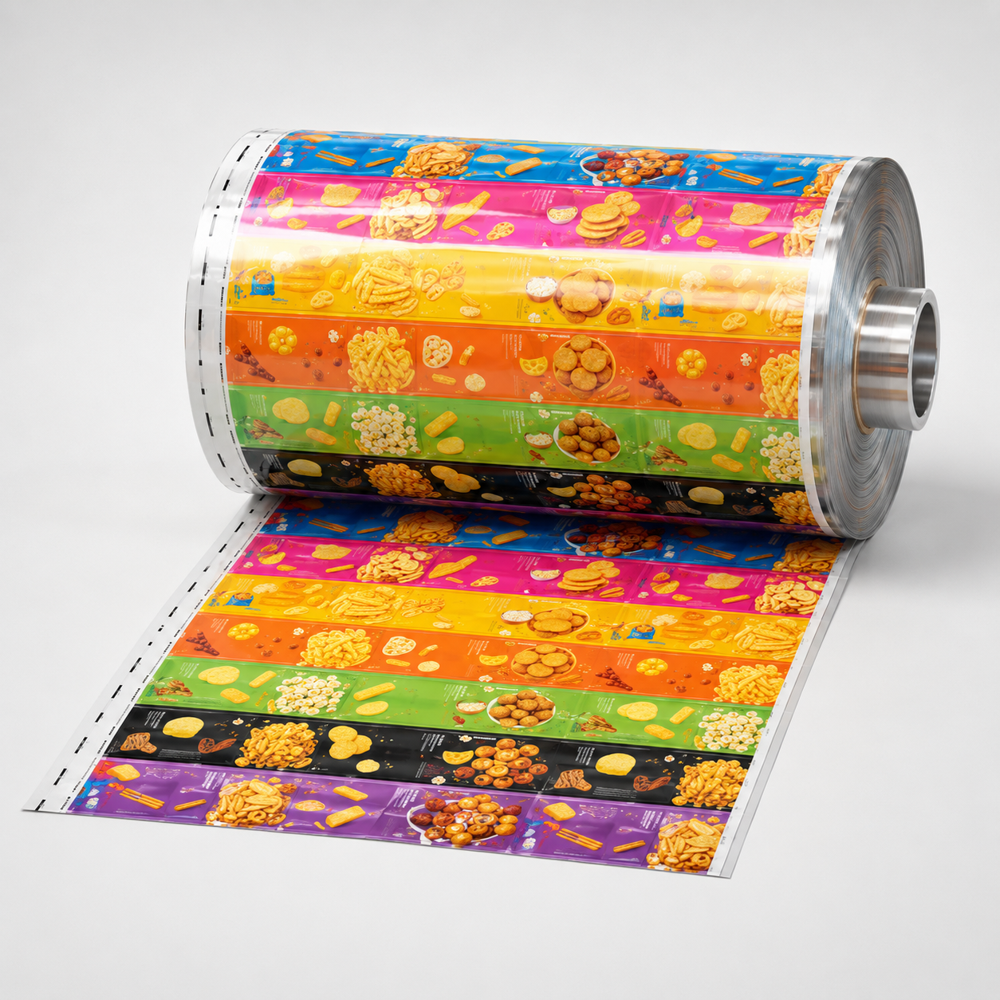
This chapter describes the flexographic printing process. The process involves transferring ink, one color at a time, from the surface of a flexible plate on which an image is represented to a substrate. Additional colors, each registered to the locations of those printed previously, are added. When the plate surface consists of a pattern of dots, the photographic quality of the halftone printing effect is possible. Dot patterns can combine to appear to the eye as colors not represented by the applied ink. The technique is termed flexo process printing. Ink metering involves a doctor blade assembly that wipes excess ink amounts from the cylinder surface to provide careful control of the volume of ink transferred from each cell. Flexo plates use vulcanized rubber or photopolymer materials that are attached to rotating cylinders.
Advanced Print Precision and ConsistencyEngineered with automatic tension control, servo motor drive, and auto edge position control, this Flexographic Printing Machine ensures precise results across long print runs. The doctor blade system and anilox roller enable consistent ink transfer for sharp eight-color output, making it ideal for packaging, labels, and commercial wrappers.
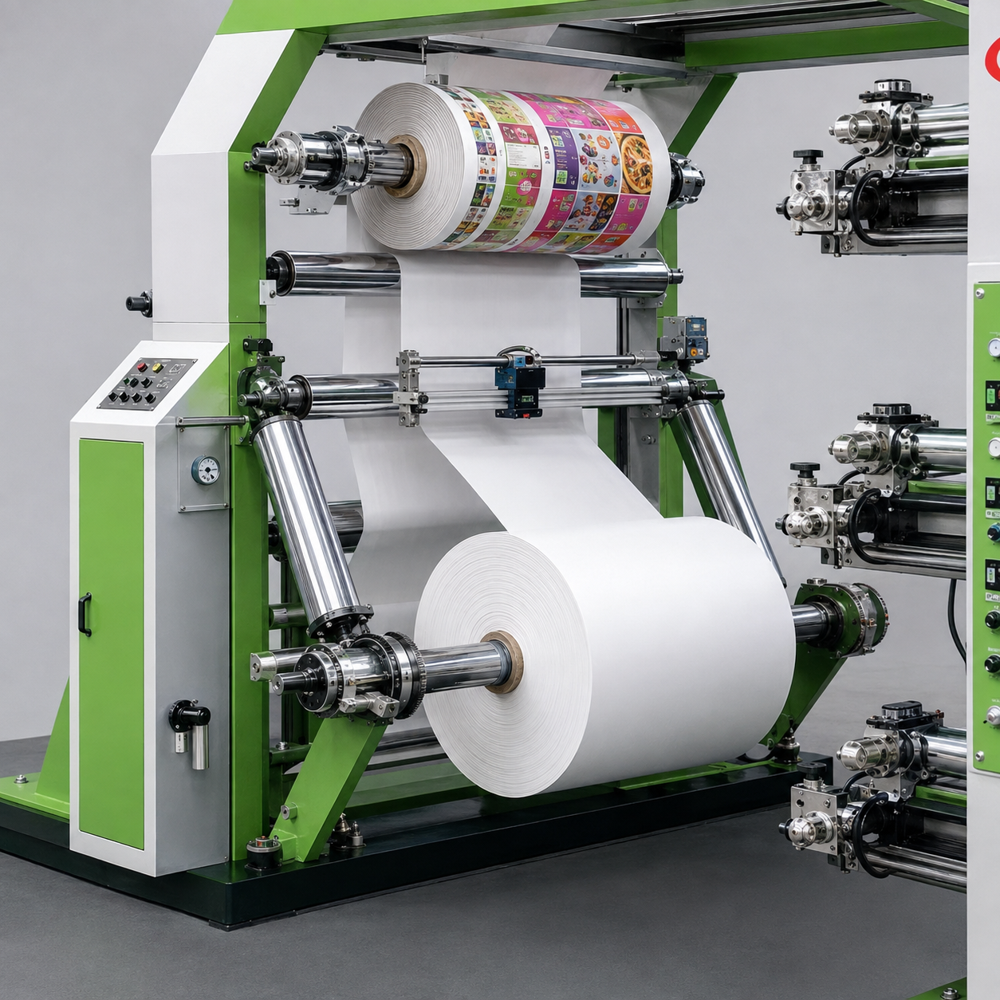
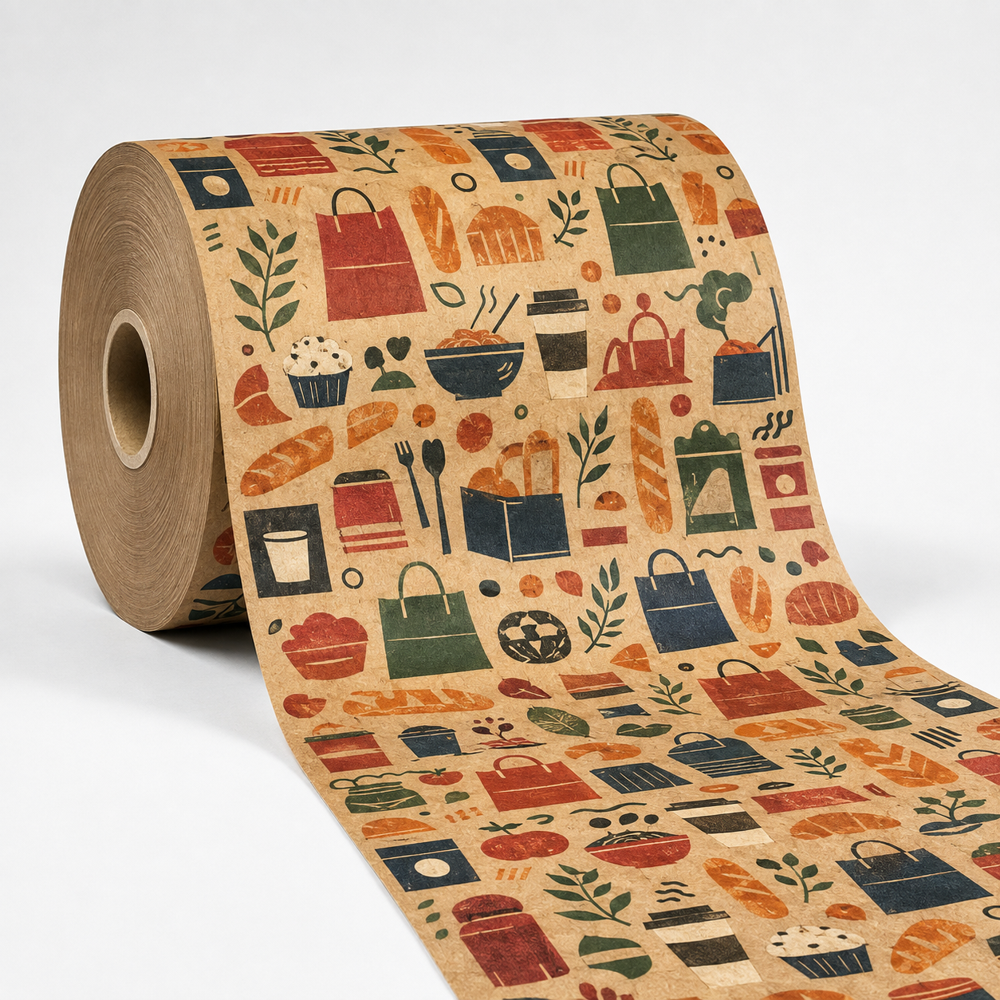
Flexible Configurations for Diverse NeedsChoose between single or double station unwinding/rewinding and select either hot air or infrared drying based on your substrate requirements. The machine accommodates variable reel diameters, feeding widths, and materials, suitable for everything from kraft paper shopping bags to intricate packaging films.
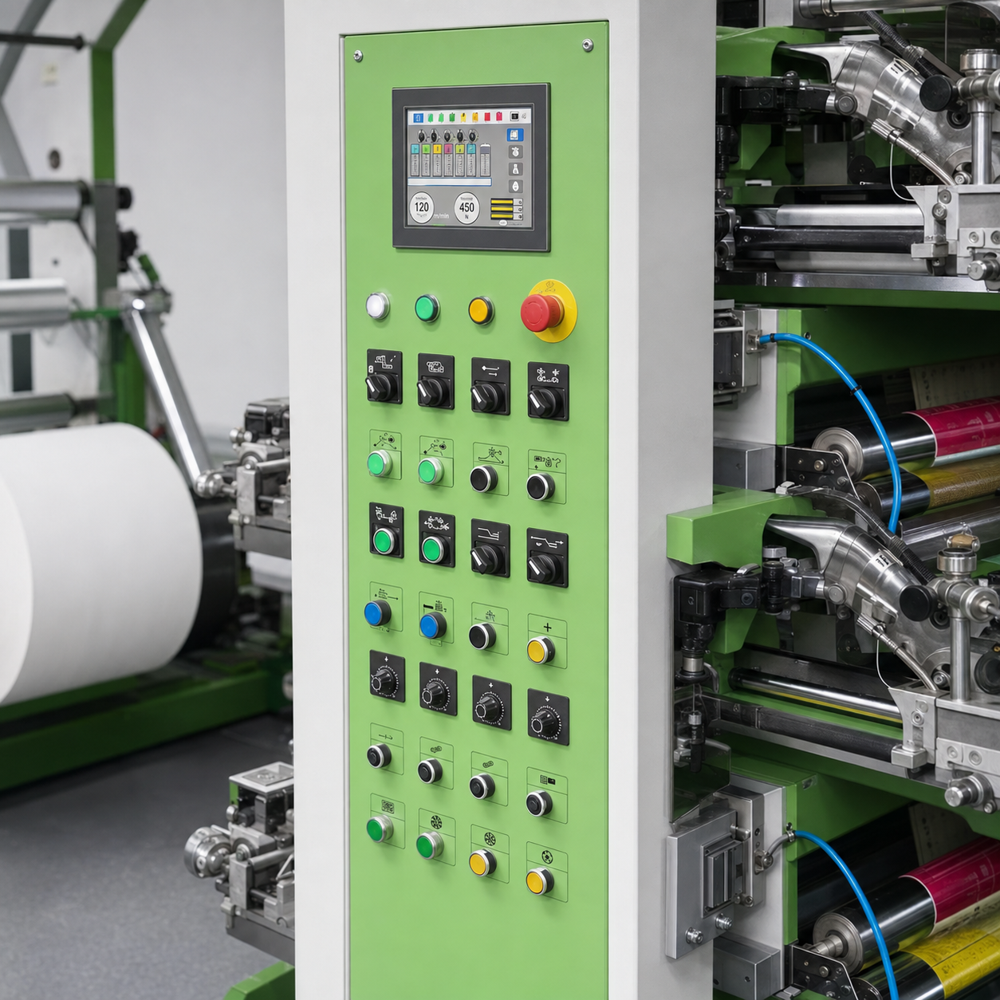
User-Friendly Features for Enhanced ProductivityAutomatic ink circulation, pneumatic plate lifting, computerized controls, and easy operation features help streamline the print process. EPS system integration, low operational noise, and robust durability make this machine an essential tool in busy industrial environments.
FAQ's of Eight Colour Flexographic Printing Machine:
Q: How does the Eight Colour Flexographic Printing Machine achieve high registration accuracy?
A: This machine uses servo motor drive, automatic tension control, and auto edge position web guidance systems to maintain register accuracy up to 0.15 mm even at high speeds, ensuring sharp, aligned multi-color prints.
Q: What types of materials can be printed using this machine, and what are its application areas?
A: It is suitable for printing on kraft paper, packaging films, wrappers, shopping bags, and labels with thicknesses between 30 and 300 microns, making it versatile for various industrial printing applications.
Q: When is it advantageous to use hot air versus infrared drying?
A: Hot air drying is typically preferred for thicker or moisture-sensitive substrates, while infrared drying offers efficient heat for fast-drying applications or heat-tolerant materials. Selection depends on your printing speed, substrate type, and ink requirements.
Q: Where is the Eight Colour Flexographic Printing Machine most effectively utilized?
A: It is best deployed in industrial and large-scale packaging facilities, label manufacturing plants, and commercial printing operations requiring high-volume, multicolor, and precise printing output.
Q: What is the process for setting up and operating the machine?
A: Operators load the reel, set up the substrate dimensions, select anilox and doctor blade configurations, and program print jobs using computerized controls. Automatic ink circulation and pneumatic plate lifting simplify setup, while manual oversight ensures quality and safety.
Q: How does the EPS (Edge Position Control) system benefit the printing process?
A: The EPS system maintains precise alignment of the substrate edge during high-speed printing, reducing the risk of misregistration or print defects, resulting in higher yield and consistent print quality.
Q: What are the main benefits of using this flexographic machine for industrial printing needs?
A: Benefits include fast setup, high throughput (up to 200 m/min), eight-color versatility, consistent print quality, energy-efficient drying options, low operational noise, and the ability to handle various substrate types and sizes with durable, automated features.